
Oil Prices Fall Amid Equity Selloff Though Iran War Attacks Limit Losses
Global oil prices declined on Monday as weakness in international equity markets and concerns about AI-driven economic growth weighed on commodity markets. However, continued attacks on Gulf shipping and rising security risks near the Strait of Hormuz limited the decline. Brent crude and US WTI prices fell modestly, while investors monitored geopolitical developments and upcoming OPEC+ production policy discussions
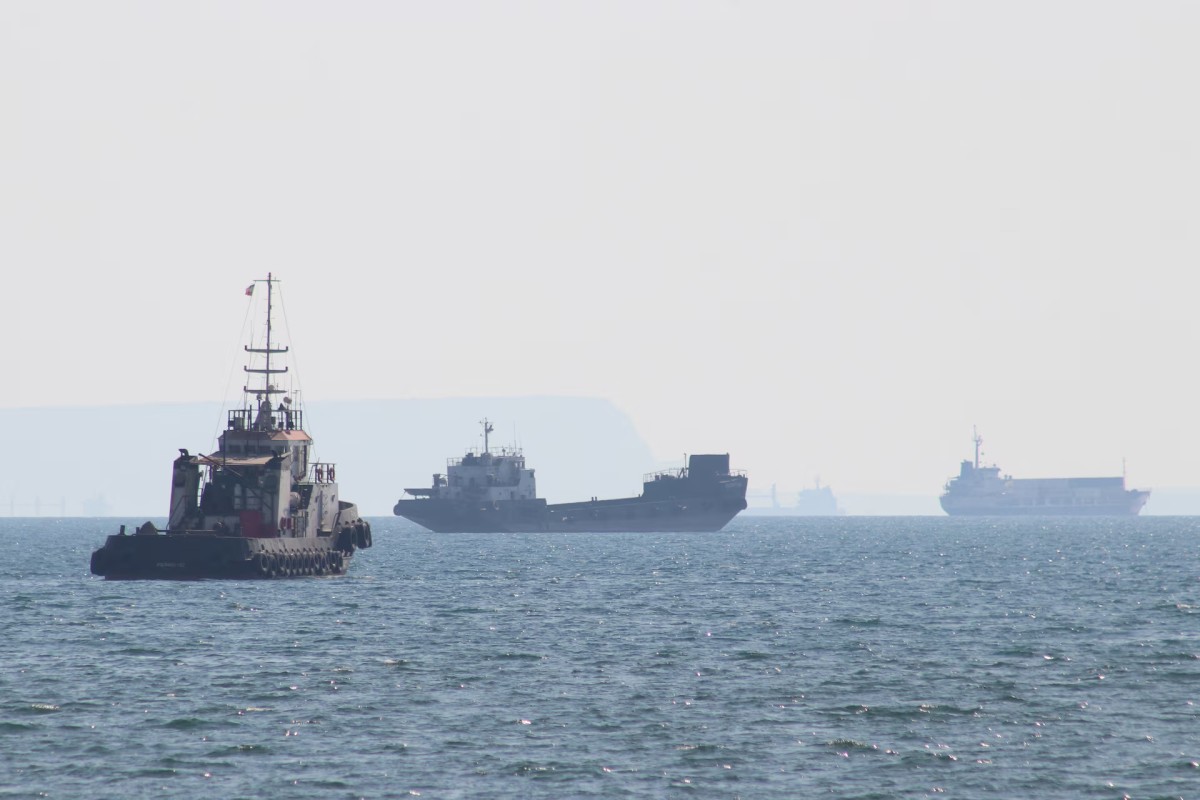
Oil prices declined on Monday, November 23, as weakness across global financial markets and concerns about the economic outlook weighed on commodity markets. However, continuing attacks on shipping in the Gulf region and rising tensions linked to the US-Israeli war against Iran limited the losses.
Brent crude futures fell 28 cents, or 0.30%, to $92.29 per barrel, while US West Texas Intermediate (WTI) crude futures declined 15 cents, or 0.18%, to $83.26 per barrel.
Both benchmarks extended their losing streaks, with Brent falling 4% and WTI declining 5% during the previous week. The broader market downturn was driven partly by concerns about the ability of the artificial intelligence sector to generate sufficient economic growth.
Asian equity markets opened lower, with South Korea's technology-heavy stock market falling 4%. Markets in China, Hong Kong and Australia also recorded declines, while the Nasdaq had plunged 10% the previous week.
Despite the downward pressure, geopolitical tensions continued to support oil prices. The Iran-aligned Houthi movement claimed responsibility for an attack on a Saudi Arabian oil refinery on Sunday. Multiple attacks on shipping in the Gulf and near the Strait of Hormuz were also reported over the weekend.
Mukesh Sahdev, chief oil analyst at Sydney-based XAnalysts, said market momentum was pushing oil prices lower. However, he warned that the growing number of empty oil tankers compared with loaded vessels could signal increasing risks to crude oil transportation and supply flows.
Meanwhile, negotiations at the global climate summit COP31 in Turkey collapsed on Sunday after participating nations failed to reach an agreement on including a commitment to phase out fossil fuels in the final text.
Saudi Arabia and other major oil-producing countries maintained that fossil fuels would continue to play an important role in the global economy for the foreseeable future. Observers at the summit said these countries had lobbied against including references to fossil fuels in the final agreement.
OPEC had also defended the continued use of fossil fuels during the summit.
OPEC+ ministers are scheduled to hold a series of meetings on November 29 to determine the group's oil production policy for 2027. The alliance includes members of the Organization of the Petroleum Exporting Countries and other producers, including Russia.
Source: reuters.com
What's Your Reaction?
 Like
0
 Dislike
0
 Love
0
 Funny
0
 Wow
0
 Sad
0
 Angry
0



-
 Kinguiranke
(119)
-
Nfp
(47)
-
Kankan
(42)
-
Kan
(36)
-
Coulibaly Yacouba
(24)





Comments (0)