
Trump's personalized diplomacy hits its limits with 3-way summit
A landmark three-way summit in Shenzhen between US President Donald Trump, Chinese President Xi Jinping and Russian President Vladimir Putin has exposed the limitations of Trump's personalized diplomatic approach. Although the leaders issued a symbolic declaration reaffirming that nuclear war must never be fought, the meeting produced no significant breakthroughs on nuclear arms control, Iran, Ukraine, Taiwan, trade or artificial intelligence. Analysts say the gathering enhanced Xi's international diplomatic standing and allowed Putin to project Russia as an equal partner of the world's two leading powers, while raising questions about Trump's ability to secure meaningful international agreements.
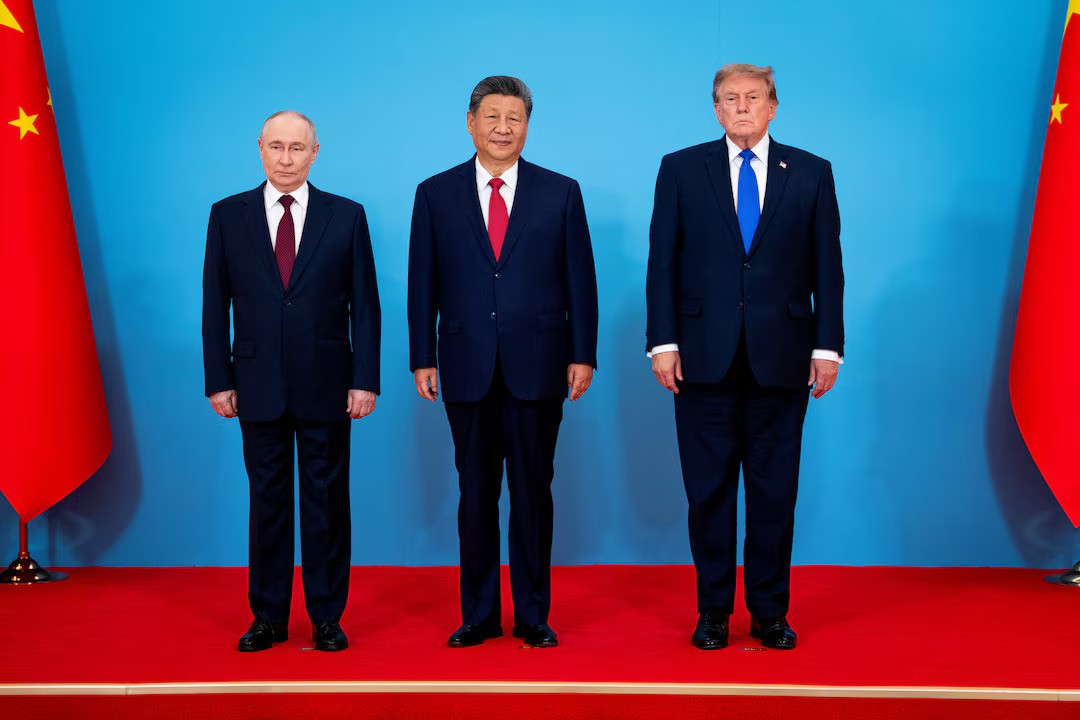
A three-way summit in Shenzhen between US President Donald Trump, Chinese President Xi Jinping and Russian President Vladimir Putin has highlighted the limitations of Trump's personalized approach to international diplomacy.
The November 19 meeting produced a symbolic peace declaration reaffirming that nuclear war must never be fought and an agreement to hold dialogue on reducing nuclear risks. However, the leaders announced no concrete arms-control negotiations or significant progress on major international challenges, including Iran, Ukraine, Taiwan, trade and artificial intelligence.
The gathering offered Trump an opportunity to demonstrate his international influence amid domestic political difficulties, including his Republican Party's loss of congressional control in the November midterm elections and declining approval ratings linked to the conflict with Iran.
Despite the diplomatic spectacle, analysts questioned whether the summit delivered meaningful results. China, under Xi Jinping, benefited from hosting an unprecedented gathering of major powers and strengthening its international diplomatic profile. Meanwhile, Putin was able to present Russia as an equal participant alongside the leaders of the world's two most powerful countries without making significant concessions.
Some analysts warned that the outcome could weaken Trump's international standing while enhancing the positions of Washington's principal geopolitical rivals.
The meeting also attracted criticism from European allies, particularly because Putin was welcomed as a friend while Europe remained excluded from the discussions. German Chancellor Friedrich Merz described the gathering as primarily a photo opportunity.
Although arms-control advocates welcomed the declaration's commitment to nuclear risk-reduction dialogue, they emphasized that substantial negotiations and concrete commitments would be necessary to achieve meaningful progress.
Trump defended the summit, describing it positively and emphasizing the importance of direct engagement with international leaders. However, analysts argued that his diplomatic legacy would ultimately depend on whether his personal relationships could help resolve major international conflicts, particularly those involving Iran and Ukraine.
Source:reuters.com
What's Your Reaction?
 Like
0
 Dislike
0
 Love
0
 Funny
0
 Wow
0
 Sad
0
 Angry
0

Related Posts


-
 Kinguiranke
(119)
-
Nfp
(47)
-
Kankan
(42)
-
Kan
(36)
-
Coulibaly Yacouba
(24)



Comments (0)