
Editorial: Past the IMF milestone
Egypt’s programme with the International Monetary Fund (IMF) is coming to an end.
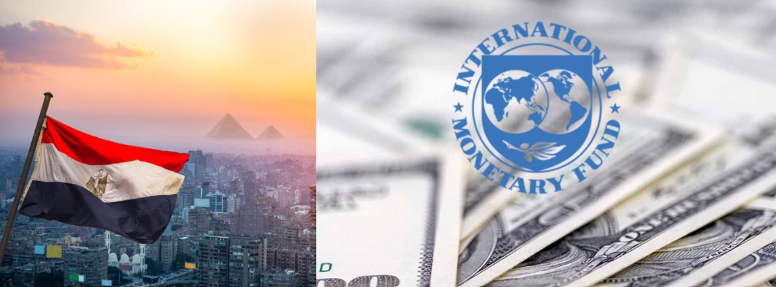
Last week an IMF mission completed the eighth and final review of the country’s $8 billion Extended Fund Facility (EFF) and the third review under the Resilience and Sustainability Facility (RSF). Once the IMF’s board of executives approves the mission report, Egypt will receive a last tranche of funding of around $2.3 billion, bringing the amount received throughout the duration of the programme to around $9.6 billion. “Important progress has been made in restoring macroeconomic stability and strengthening Egypt’s resilience,” an IMF press release lauded economic progress in the face of heightened regional tensions and global uncertainty.
Egypt’s economy has come a long way during the duration of the programme. Whereas GDP growth stood at 2.4 per cent in 2023-24, the press release said real GDP growth reached 5.1 per cent in the fiscal year 2025-26, supported by the recovery in Suez Canal and oil-related activities and continued strength in manufacturing, tourism, and communications. It also said fiscal performance remained strong, with the end-of-September primary surplus and tax-revenue targets exceeded. The fund also commended the authorities’ response to renewed external pressures, particularly their decision to allow the exchange rate to adjust.
The fund’s insistence that exchange-rate flexibility should remain the first line of defence against external shocks reflects the lessons of previous attempts to defend the pound at an unsustainable exchange rate which resulted in mounting pressure on foreign currency availability and eventually abrupt devaluations. Allowing the exchange rate to respond to market conditions is necessary. But to guarantee stability Egypt needs sustainable sources of foreign currency through stronger exports, tourism receipts, and investment.
Debt management is another pressing challenge, according to the mission. The IMF welcomed government efforts to extend the maturity of domestic debt issuances and reduce gross finance needs by five percentage points of GDP in the fiscal year 2026-27 through maturity extensions, voluntary liability-management operations and proceeds from state-asset divestments. Yet, despite a primary budget surplus – the government said it is targeting five per cent of GDP for the current fiscal year – the cost of servicing existing obligations, the maturity structure of borrowing and the government’s continuing finance requirements remain sources of vulnerability.
The IMF also highlighted the need to accelerate structural reforms, particularly reducing the state’s economic footprint and creating a more level playing field between public and private businesses. It also stressed the importance of ensuring that state-owned entities should operate according to principles of competitive neutrality, transparency, and accountability. The IMF agreement provided breathing space and international reassurance. It did not eliminate Egypt’s debt burden, guarantee sustained foreign investment or resolve the imbalance between the state’s role and that of private businesses.
This is where the next phase of economic policy takes on importance. The government had announced it would not need another programme with the IMF and announced the National Economic Transformation Programme 2027-2030 as a roadmap to accelerate reforms. Unveiled at the end of October, during the Egypt Forum, the programme aims for a 6.8 per cent growth target for the fiscal year 2029-30 and a contribution by the private sector reaching 80 per cent of GDP, 58 per cent of total investment, and 83 per cent of employment, according to statements by planning minister during the Egypt Forum.
The government has repeatedly pledged to expand private-sector participation, but implementing this commitment in practice requires predictable regulations, effective competition, easier access to finance and a business environment in which private investment is not crowded out by government borrowing and spending. Targeted social support to protect vulnerable households is another issue to look out for. Economic adjustment cannot be considered successful if improvements in financial indicators come at the expense of living standards or essential public services.
“Sustained policy discipline and decisive reform implementation will be critical to safeguard the gains achieved and translate greater macroeconomic stability into improvements in living standards and economic opportunities for all Egyptians,” the fund said in the statement
The real test will be whether the economy can create productive employment, attract long-term investment, and deliver tangible improvements in living standards.
Source: https://english.ahram.org.eg/ - 27.11.2026
What's Your Reaction?
 Like
0
 Dislike
0
 Love
0
 Funny
0
 Wow
0
 Sad
0
 Angry
0

Related Posts

-
 Kinguiranke
(122)
-
Nfp
(48)
-
kan
(45)
-
Kankan
(38)
-
Citoyen du monde
(26)





Comments (0)