
It’s Time to Settle With Russia: What America Should Give to Make Peace in Ukraine
Michael C. Desch argues that the United States should pursue a negotiated settlement to end the war in Ukraine by offering Russia sanctions relief and encouraging Kyiv to accept territorial compromises and abandon its hopes of NATO membership. He contends that Western sanctions and military support have failed to force Moscow to change its position, while continued fighting risks further escalation and weakening Western unity.
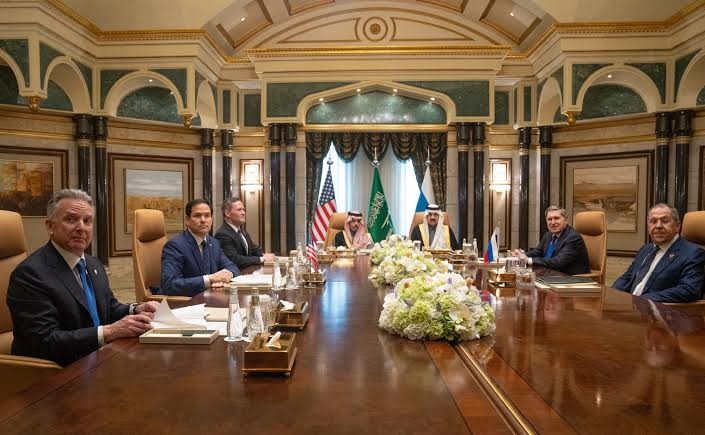
The war in Ukraine continues to face a difficult path toward resolution, with diplomatic disagreements, military developments and growing international divisions complicating efforts to achieve peace.
In an analysis published by Foreign Affairs, Michael C. Desch argues that the United States should reconsider its approach to the conflict and pursue a negotiated settlement involving concessions to Russia and Ukraine. He suggests that continued sanctions and military pressure have failed to change Moscow's position and that a different diplomatic strategy may be necessary.
Desch argues that Ukraine's recent battlefield successes have not fundamentally changed the military balance. Although Ukrainian forces have carried out counteroffensives and strikes against Russian infrastructure, he maintains that Russia continues to hold important advantages in manpower, military resources and battlefield operations.
The author believes that negotiations are now essential to ending the conflict. He suggests that Ukraine may have to abandon its ambitions of joining NATO and accept territorial compromises as part of a potential peace agreement. He also proposes that Washington consider reducing certain military and intelligence support if Kyiv refuses to negotiate.
On the Russian side, Desch argues that the United States could offer sanctions relief, including easing restrictions on Russian energy exports and financial transactions. He believes such incentives could encourage Moscow to participate more seriously in negotiations.
The analysis also examines concerns about Russia's intentions toward NATO countries. Desch argues that Russia's military capabilities do not necessarily indicate an intention to launch a wider war against the alliance, although he acknowledges the risks of escalation.
The author concludes that continued fighting could further weaken Western unity and increase the danger of a broader confrontation. He suggests that President Donald Trump could use his diplomatic approach and willingness to offer concessions to pursue an agreement that ends the war, potentially creating a significant foreign policy legacy.
Source: foreignaffairs.com
What's Your Reaction?
 Like
0
 Dislike
0
 Love
0
 Funny
0
 Wow
0
 Sad
0
 Angry
0

Related Posts

-
 Kinguiranke
(111)
-
Kankan
(45)
-
Nfp
(42)
-
kan
(36)
-
Matt
(16)




Comments (0)