
How India became a rice powerhouse - and why it's becoming a problem
India has become the world's largest rice-exporting powerhouse following decades of agricultural research, improved crop varieties and government subsidies. However, record production has created a growing surplus, rising storage pressures and an increasing financial burden on the government. The subsidy system is also contributing to concerns over groundwater depletion, crop diversification and competition in international rice markets.
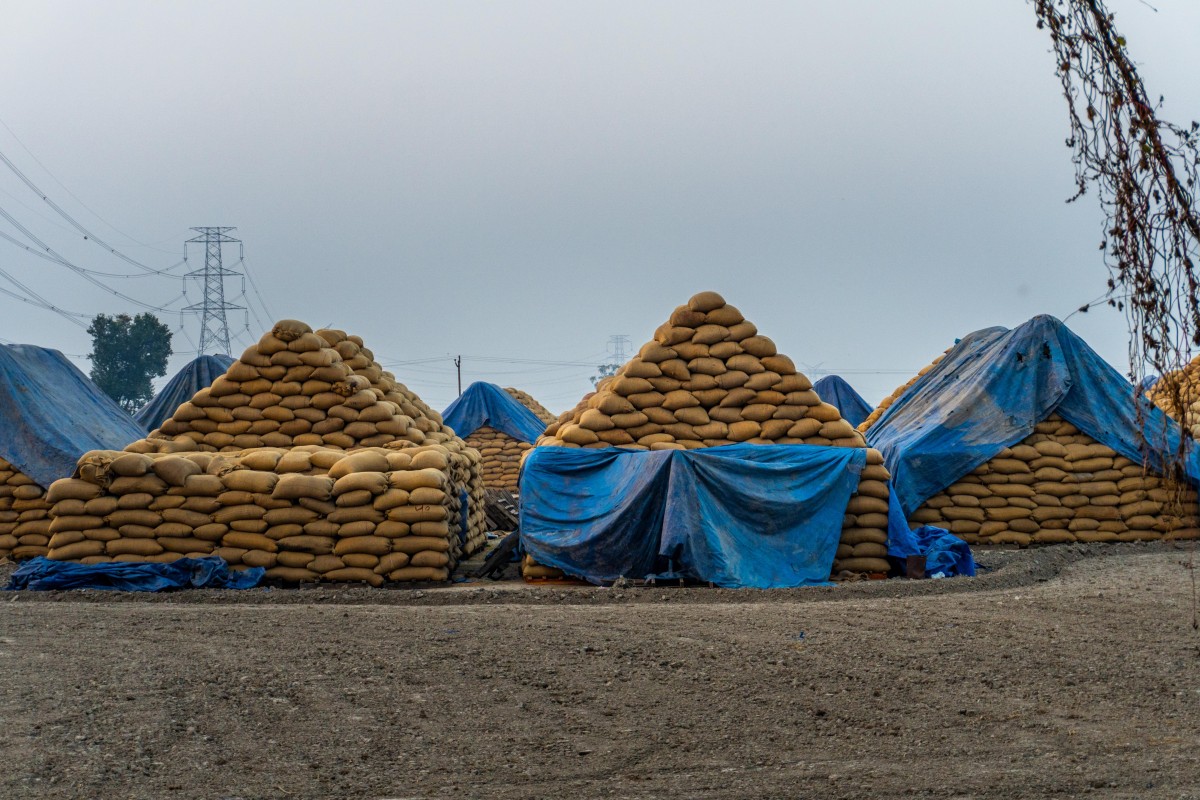
India has transformed itself from a country that once struggled to produce enough rice into a major global supplier. Decades of agricultural research, improved flood-resistant rice varieties and government price-support programmes have driven production to record levels.
However, the success has created a new challenge: India is producing considerably more rice than it consumes. Growing government stocks, storage shortages and the cost of purchasing surplus grain are putting pressure on public finances.
Rice subsidies now account for more than two-thirds of India's federal food subsidy expenditure. The bill exceeded 2.28 trillion rupees ($24.1 billion) in 2025/26, according to the Reuters report.
Agricultural improvements have helped expand production in eastern states such as Bihar and Odisha, where flood-tolerant rice varieties have made cultivation more reliable. India's national rice production reached a record 154 million tonnes in 2025/26, while domestic consumption was estimated at 107 million tonnes.
Exports have also increased significantly. India exported 22.3 million tonnes of rice in 2025, accounting for approximately 40% of global rice trade.
The growing surplus has created storage difficulties and raised concerns about the impact of government support programmes. India's Minimum Support Price system encourages farmers to produce rice, while additional state-level bonuses make the crop even more attractive.
The policy has also generated tensions between the central government and state administrations. Officials are concerned that excessive rice production may discourage farmers from growing pulses and oilseeds, crops that India continues to import.
Internationally, India's expanding exports have attracted criticism from competing rice-producing countries, including Thailand, Vietnam and the United States. Some industry representatives argue that government support allows Indian rice exporters to compete at prices that put pressure on other producers.
Environmental concerns are adding to the debate. Rice cultivation requires substantial amounts of water, and government officials have raised concerns about pressure on groundwater resources. The growing fertiliser subsidy bill is another financial consideration.
India is therefore facing a difficult policy challenge: maintaining farmers' incomes and food security while managing surplus production, government expenditure, environmental pressures and international trade tensions.
The Reuters investigation highlights how agricultural policies that helped India overcome food shortages have also contributed to a new problem of managing excess production.
Source: https://www.reuters.com/world/how-india-became-rice-powerhouse-why-its-becoming-problem-2026-11-18/
What's Your Reaction?
 Like
0
 Dislike
0
 Love
0
 Funny
0
 Wow
0
 Sad
0
 Angry
0
Related Posts





-
 Kinguiranke
(104)
-
Nfp
(49)
-
Citoyen du monde
(30)
-
Coulibaly Yacouba
(28)
-
kan
(26)





Comments (0)