
Malware on Zattoo and IKEA—iPhone Users Need to Be on the Lookout for This Now
A cybersecurity attack targeting Optimizely's web experimentation platform exposed visitors to 178 organisations' websites, including BBC, CNN, Zoom, IKEA and Zattoo, to malicious JavaScript on 16 November 2026. The injected code was designed to steal cryptocurrency, capture payment card details, collect browser cookies and deliver exploit tools targeting vulnerable iPhones and iPads. Optimizely confirmed the security incident, patched the vulnerability and removed the malicious code. Users are advised to update their devices, review financial transactions and secure potentially affected accounts.
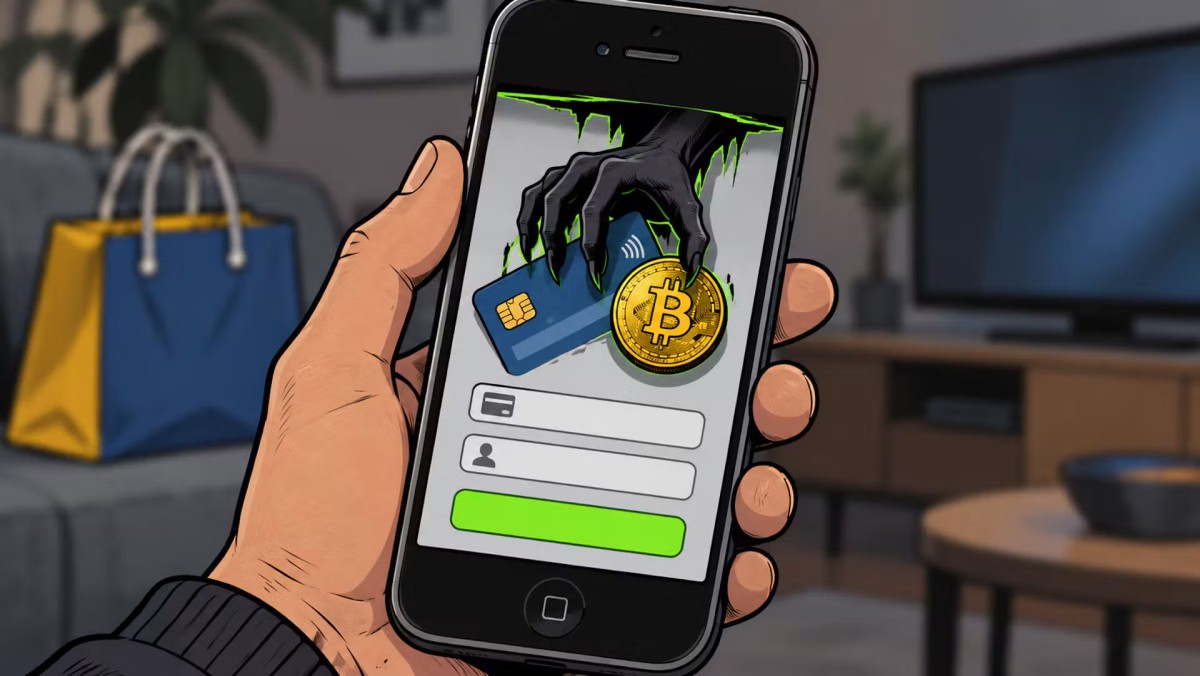
A cybersecurity incident involving Optimizely's Web Experimentation platform resulted in malicious JavaScript being delivered to visitors of websites operated by 178 organisations on November 16, 2026. The affected organisations included major international brands such as the BBC, CNN, Zoom, IKEA, Salesforce, Ledger and Zattoo.
The attack exploited a vulnerability in Optimizely's account registration process, allowing an unauthorised party to insert malicious code into customer projects. Because the affected scripts were delivered through Optimizely's legitimate infrastructure, visitors' browsers treated them as trusted website components.
According to security researcher Scott Helme of Report URI, the malicious software was designed to replace cryptocurrency wallet addresses with attackers' addresses, capture payment card information and collect browser cookies and screenshots. It also attempted to deliver exploit tools targeting vulnerable iPhones and iPads.
The investigation identified 188 infected JavaScript snippets belonging to 178 organisations after examining 1,611 Optimizely scripts. Approximately $7,040 in cryptocurrency transactions had been traced to the attackers at the time of Report URI's initial investigation. The total number of potentially compromised payment card details remains unknown.
Optimizely confirmed the security incident and said it had addressed the vulnerability, removed the malicious code from affected projects and introduced additional security measures. Its November 17 incident report identified the vulnerability in the Web Experimentation account signup flow and stated that the malicious code had been removed from all affected projects.
The incident highlights the security risks associated with third-party services integrated into major websites. Even when a website's own infrastructure remains uncompromised, malicious code introduced through a trusted external provider can expose visitors to financial theft and other cyber threats.
Users who visited potentially affected websites during the incident should review relevant financial transactions, check cryptocurrency transfers and install the latest available security updates on their Apple devices. Anyone who entered payment information directly into an affected website should contact their card issuer if they identify suspicious transactions.
What's Your Reaction?
 Like
0
 Dislike
0
 Love
0
 Funny
0
 Wow
0
 Sad
0
 Angry
0

Related Posts





-
 Kinguiranke
(104)
-
Nfp
(49)
-
Citoyen du monde
(30)
-
Coulibaly Yacouba
(28)
-
kan
(26)






Comments (0)